
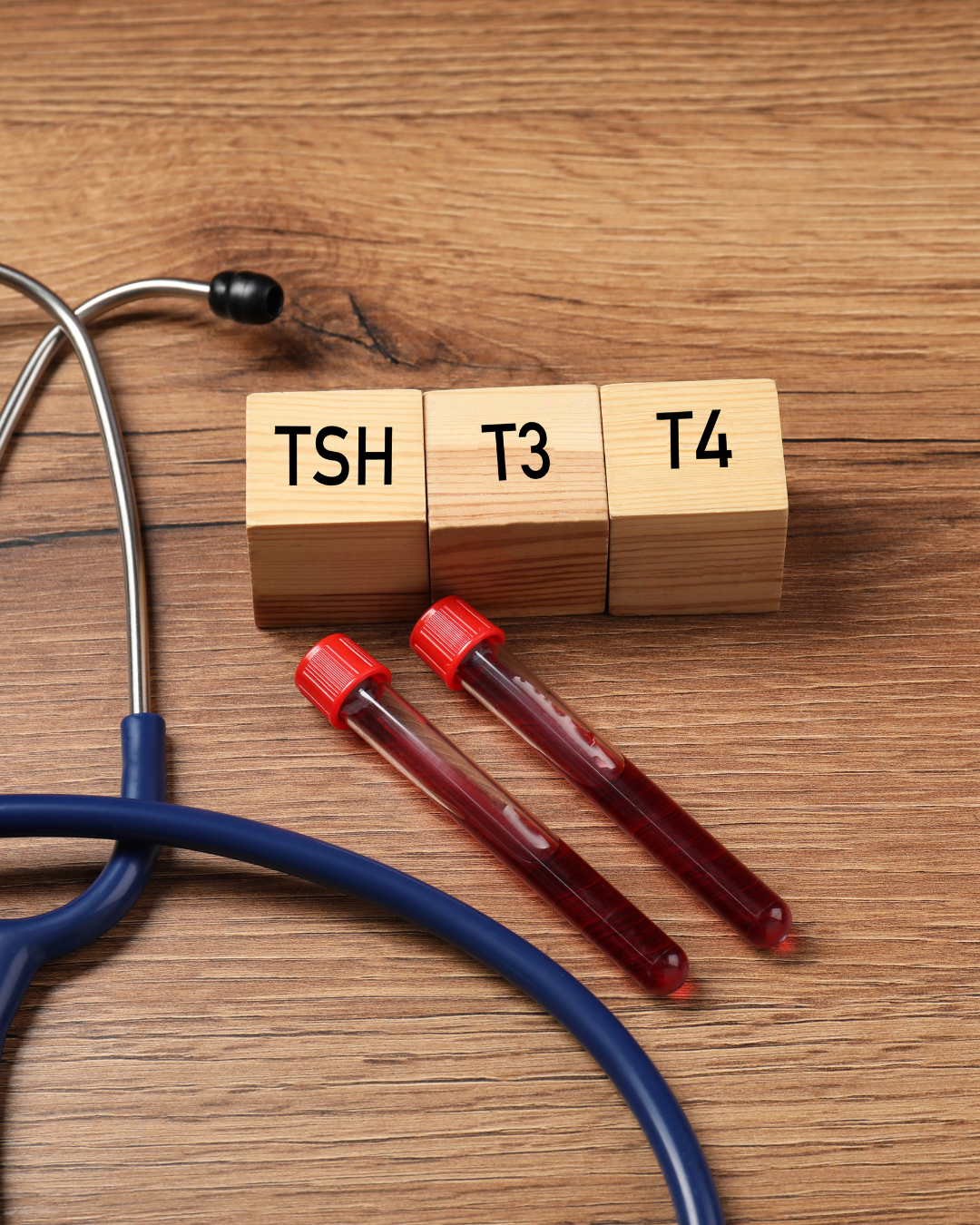
The most common complaint of women who visit our clinic: "My doctor only tested TSH. My levels were 'normal' but I still have all the symptoms. They want to put me on an antidepressant."
Most non-functional doctors — including endocrinologists — only test TSH and maybe T4. They seldom test the key measurements of Free T3 and TPO(ab) (the latter measures for antibodies, specifically for Hashimoto's disease). If the TSH is in "normal" range, they say you do not have a thyroid issue regardless of symptoms.
The Importance of Thyroid Health in Women
The thyroid gland may be small, but it plays a crucial role in women's health. Located in the front of your neck, this butterfly-shaped gland produces hormones that regulate your metabolism, energy levels, body temperature, and mood. When it's out of balance, the effects can be far-reaching — touching nearly every aspect of your well-being.
Thyroid dysfunction is surprisingly common in women and can often go undiagnosed, especially since its symptoms — fatigue, weight fluctuations, brain fog, and mood changes — are often mistaken for stress, metabolic issues, PCOS, or menopause.
Hypothyroidism and Hyperthyroidism
Hypothyroidism occurs when the thyroid doesn't produce enough hormones, slowing metabolism. This is more common in women, particularly as they age, and can cause fatigue, weight gain, hair thinning, cold intolerance, dry skin, and depression. The most common cause is Hashimoto's Thyroiditis — an autoimmune condition where the immune system attacks the thyroid.
Hyperthyroidism occurs when the thyroid produces too much hormone, speeding up metabolism. Symptoms include weight loss, anxiety, rapid heartbeat, and heat intolerance. The most common cause is Graves' Disease — another autoimmune condition, with women disproportionately affected.
Thyroid Disorders in Young Women
Women diagnosed with PCOS have a much higher incidence of autoimmune hypothyroidism (Hashimoto's Thyroiditis). Both PCOS and thyroid dysfunction are often linked to fertility issues. If you are struggling with fertility, it's essential to have your thyroid checked as part of your evaluation — especially if you already have a PCOS diagnosis. The lab test that should always be done is TPO(ab).
Thyroid, Estradiol, and Progesterone
The thyroid does not operate in isolation. Estrogen plays a vital role in regulating thyroid hormone production and helps maintain sensitivity of thyroid hormone receptors. When estrogen levels fluctuate — during the menstrual cycle, pregnancy, or menopause — it can alter thyroid function.
For many women, symptoms overlap with menopause, making thyroid dysfunction easy to miss. Comprehensive testing — including TSH, Free T3, Free T4, and TPO(ab) — is essential. Early diagnosis can prevent more serious complications.
What Optimal Testing Looks Like
- TSH (but not in isolation)
- Free T3 (the active thyroid hormone)
- Free T4
- TPO(ab) — antibodies for Hashimoto's
- Thyroglobulin antibodies if indicated
Your thyroid is the engine behind your body's energy production. Keeping it healthy is essential for feeling your best — and that starts with getting the right tests.