
She was miserable. Only 40 years of age, she said her husband was trying to be supportive but her moods before her time of the month were getting increasingly worse. "I can't help it," she said. "They said I had PMS. My periods are heavy, I lose lots of blood, and my cramps really hurt. Sometimes I have pretty severe headaches. My family doc just wants to put me on birth control pills."
These symptoms are heard frequently. And the answer for many of these problems may be the use of bioidentical progesterone.
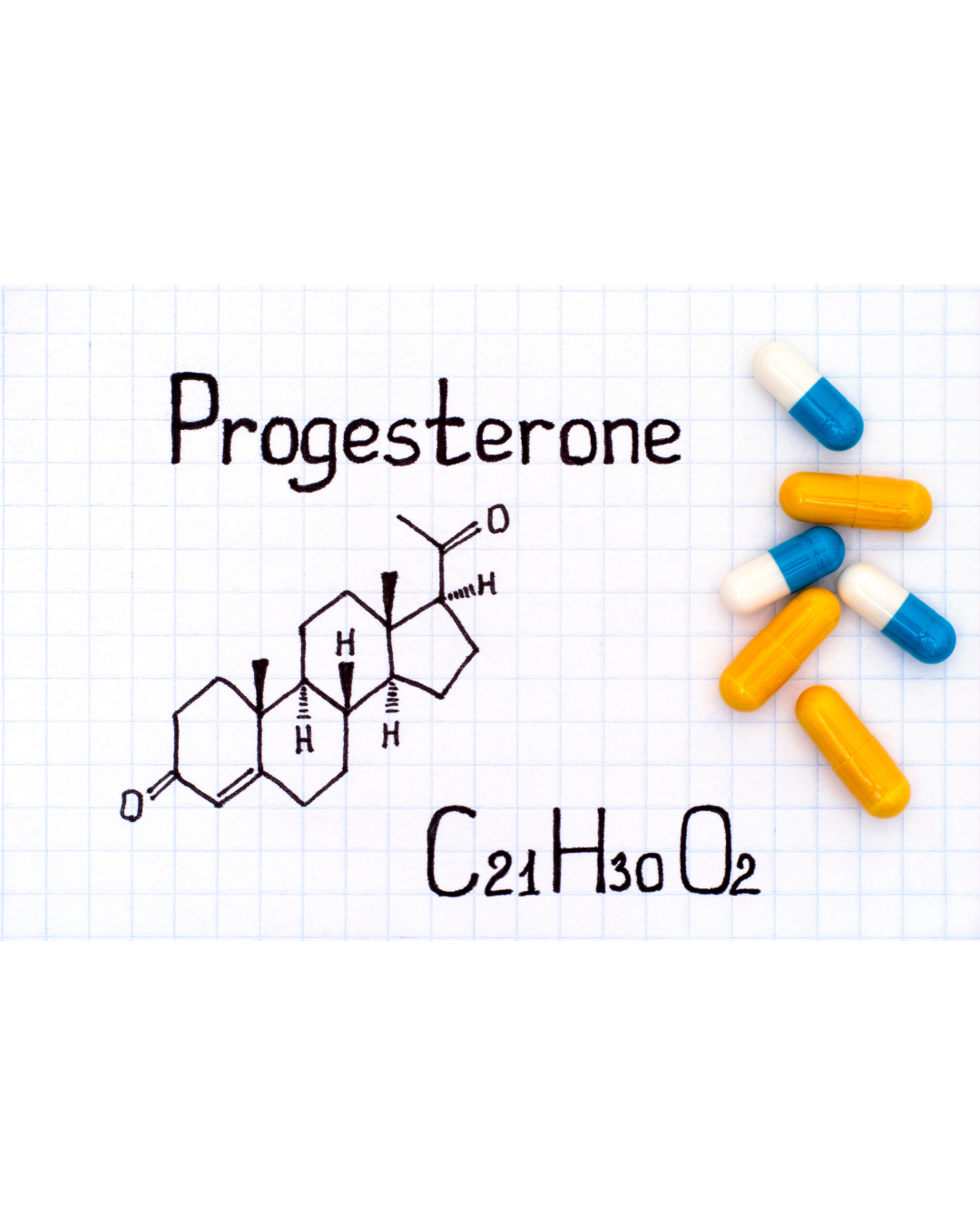
What Is Progesterone?
Progesterone is only produced by the ovary at the time of ovulation. It lasts for 14 days, generally, until the menstrual cycle begins. In a young woman who becomes pregnant, the progesterone is produced more by the placenta as the pregnancy progresses. Progesterone has many important effects beyond supporting pregnancy.
Important distinction: Birth control pills do NOT contain progesterone. They contain progestin — a synthetic hormone that has been shown to increase the risk of breast cancer in many women. Bioidentical progesterone addresses root causes, not just symptoms.
Symptoms of Low Progesterone in Premenopausal Women
- PMS
- Heavy menstrual flow
- PCOS
- Infertility and frequent miscarriages
- Premature labor
- Post-partum depression
- Estrogen dominance
- Elevated LDL and decreased HDL
- Decreased libido
- Weight gain
Symptoms of Low Progesterone in Postmenopausal Women
- Anxiety
- Headaches
- Insomnia
- Breast soreness
- Depression
- Bone loss
- Weight gain
Benefits of Progesterone
- Lowers LDL, raises HDL
- Protects against uterine cancer and breast cancer
- Reverses bloating, weight gain, and depression
- Promotes feeling of well-being
- Works synergistically with estrogen
- Prevents coronary artery constriction
- Greatly enhances treatment of PMS and heavy menstrual flows
- Enhances protection of estrogen for osteoporosis
- Improves female sexual response
- Anti-inflammatory effects
Treatment Approaches
Premenopausal: Cyclic progesterone, usually 100 mg sublingual twice daily from days 14–28 of the cycle. For more severe cases, doses can be significantly higher under medical supervision.
Postmenopausal: Oral progesterone every night enhances sleep and provides protection. 200–300 mg nightly is standard, with higher doses often needed to prevent breakthrough bleeding when cortisol is elevated.
Progesterone is the only steroid hormone that has been shown to be free of carcinogenicity in controlled clinical studies. Published research in journals including Nature Reviews Cancer confirms that progesterone used in menopausal hormone therapy does not increase breast cancer risk.