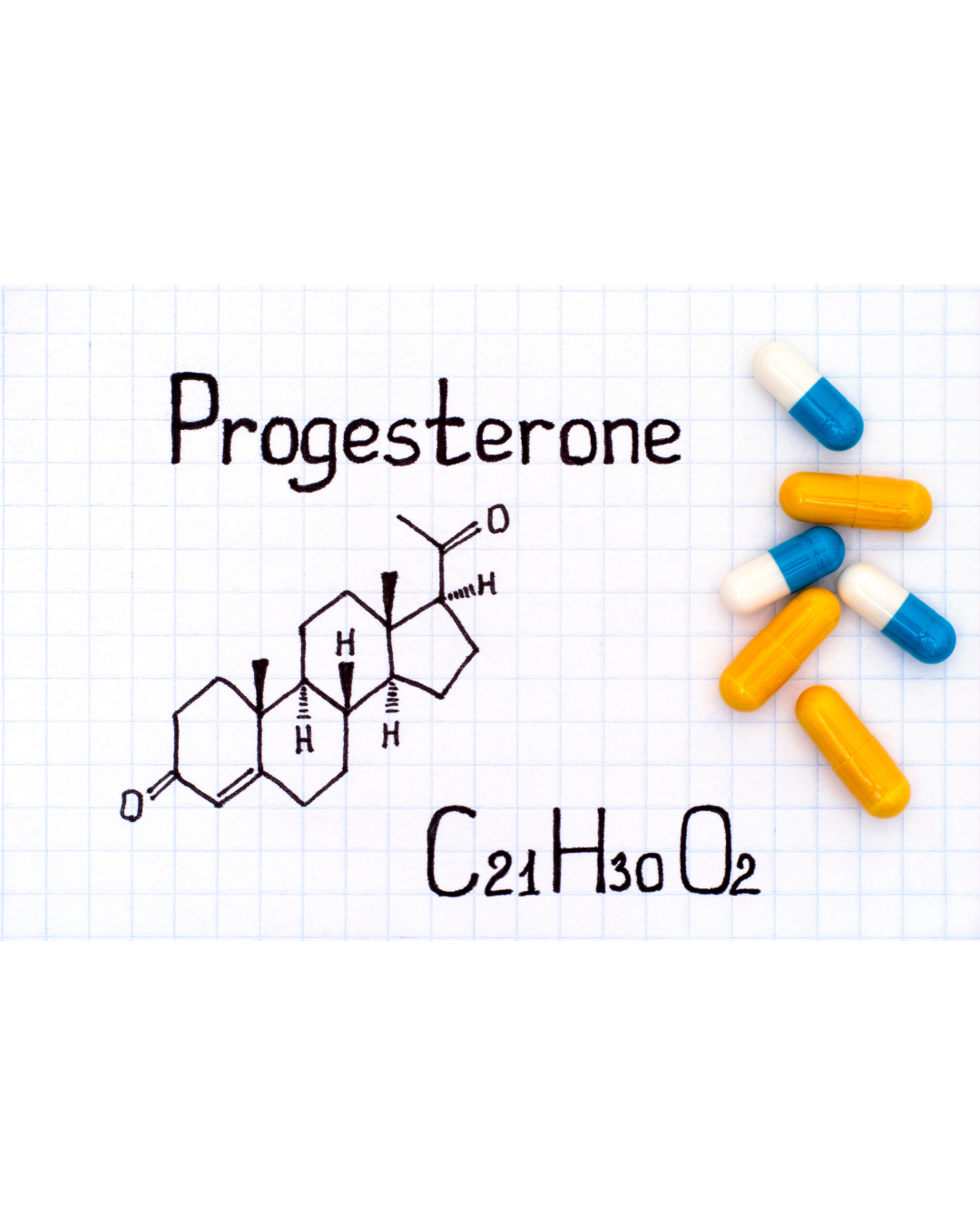
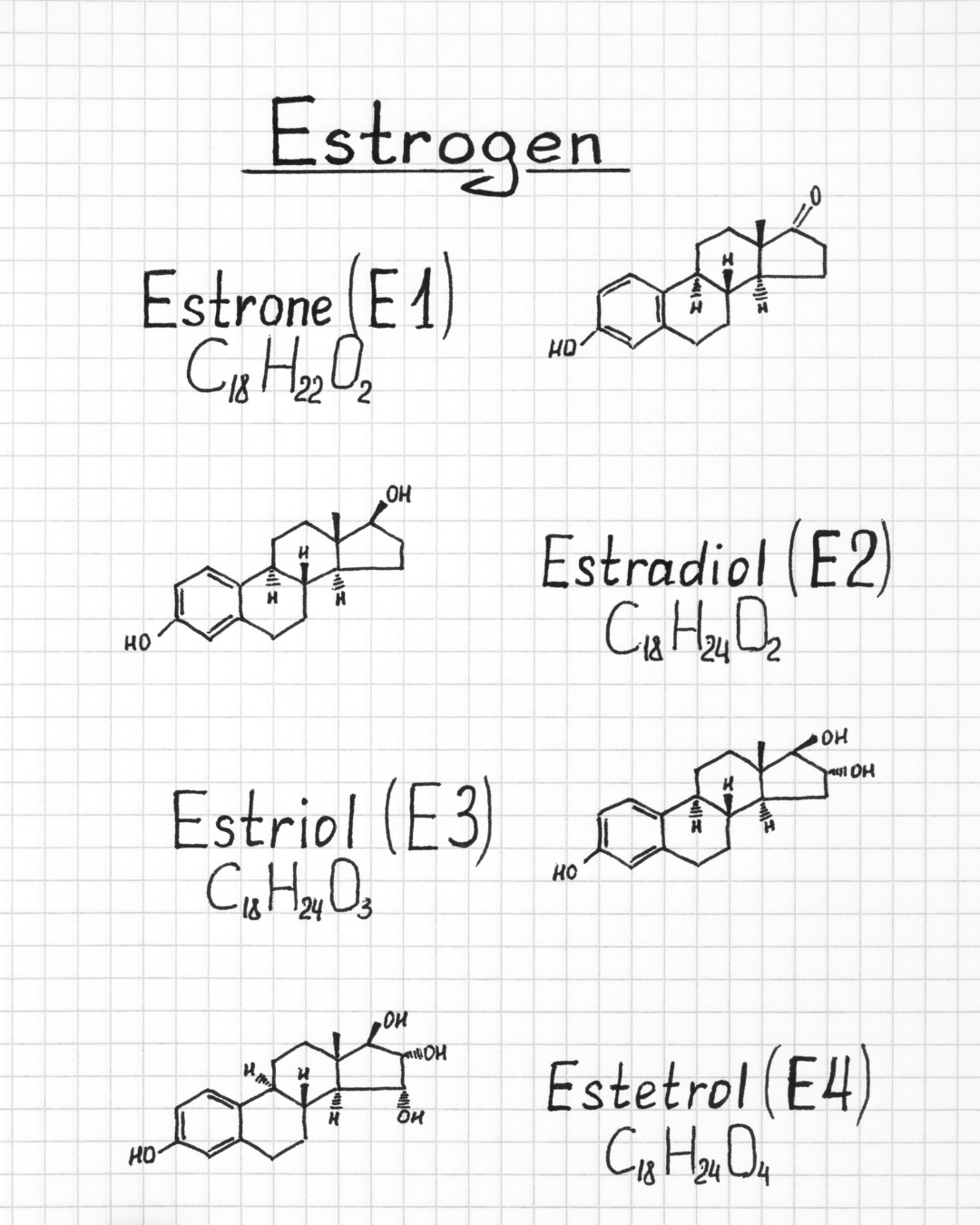
Hormone Replacement Therapy (HRT) has been around for years, but conventional medicine continues to be confused by the difference between synthetic hormones (like conjugated estrogen from horses' urine) and bioidentical estradiol. The same confusion exists with thyroid (T3/T4 vs. levothyroxine) and progesterone vs. progestin.
Key Distinctions
Estradiol (Bioidentical): Lab-created to match the body's natural estrogen, sourced from plants like soy and yams.
Premarin (Conjugated Equine Estrogens — CEE): A mix of estrogens from pregnant mares' urine.
Prempro: A combination of conjugated estrogens and medroxyprogesterone acetate — which is NOT progesterone, but a progestin. Connected to increased breast cancer risk.
Provera: A synthetic form of progesterone (progestin) — NOT the progesterone naturally produced by the body.
What the Research Shows on Estradiol
- The only drug that reduces mortality from breast cancer by 50% is estradiol.
- If you have an estrogen-positive tumor, studies show estradiol is apoptotic to breast cancer cells — meaning it helps kill them.
- Oral estradiol reverses arterial plaque.
- All randomized controlled trials and long-term studies show estradiol reduces breast cancer risk and may even retreat existing breast cancer.
- Risk of coronary heart disease (CHD) death was significantly reduced by 18–54% in hormone therapy users.
- Risk of stroke death was reduced by 18–39%.
- Risk of all-cause mortality was reduced by 12–38% in hormone therapy users.
- Oral estradiol lowers lipoprotein(a) and insulin resistance.
- HDL levels increase. LDL decreases. Note: HDL is more predictive of cardiovascular disease than LDL in women.
- Only Premarin (not oral estradiol) increases VTE (venous thromboembolism) risk.
Estradiol and Bone Health
Estrogen level is the consistent independent predictor of bone mineral density (BMD) in both men and postmenopausal women. Age-related bone loss may result from estradiol deficiency — not just in postmenopausal women but also in men.
Important Notes
Conventional doctors are still prescribing CEE forms of estrogen instead of bioidentical estradiol. Transdermal estradiol does not have the same cardiovascular protective effects as oral estradiol — the first-pass effect through the liver is important for lipid benefits. Women's goal estradiol level: 100 pg/mL.